
If you run a WhatsApp chatbot on n8n, your economics just changed. Since October 1, 2026, Meta bills businesses for service messages — the free-form replies your bot sends inside the 24-hour customer service window — after a monthly allowance of 1,000 free messages per phone number. This post explains exactly what changed, what it costs (including the India rate), what stays free, and how to redesign your n8n WhatsApp agent so a billing line item doesn’t become a surprise.
Running a WhatsApp bot already? Grab the free WhatsApp Business Chatbot template — the setup steps below slot directly into its workflow.
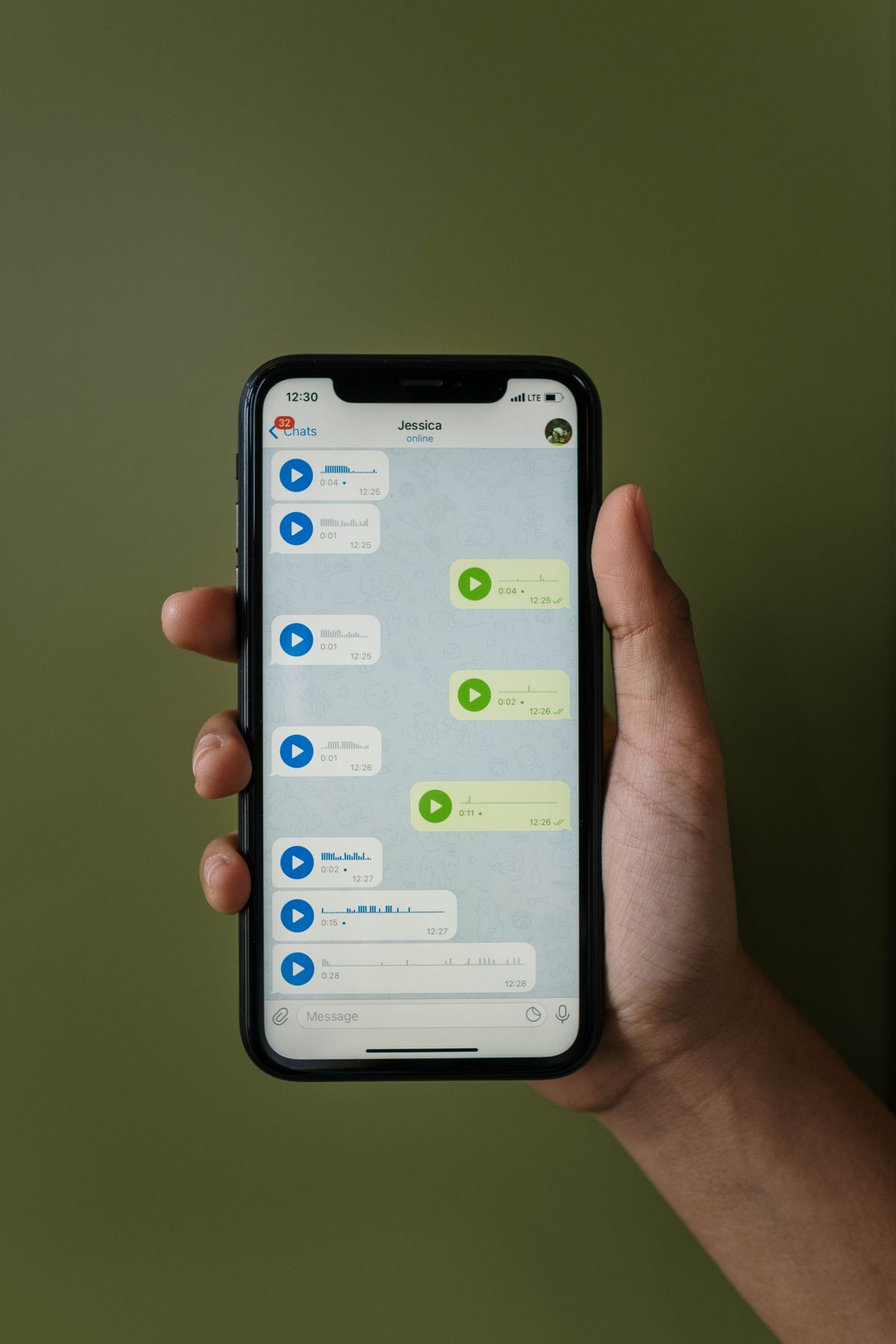
What changed on October 1, 2026
Meta restructured WhatsApp Business Platform pricing around four changes:
| Message type | Before 1 Oct 2026 | From 1 Oct 2026 |
|---|---|---|
| Service messages — free-form replies (typed by a human, written by a chatbot or AI) sent inside the 24-hour customer service window | Free (since Nov 2024) | Charged per delivered message at the market’s utility rate, after 1,000 free per business phone number per month |
| Utility templates sent inside the 24-hour window | Free (since Jul 2025) | Charged at the utility rate |
| Marketing and authentication templates | Charged | Charged (some markets’ rates changed) |
| Meta Business Agent (Meta’s native AI) | Charged per token since Aug 1, 2026 (~US$2 per million tokens) | Unchanged — per token |
The 24-hour customer service window itself still works the same way: when a customer messages you, a window opens during which you can reply with ordinary non-template messages, and every new customer message restarts the clock. What changed is only the cost of those replies.
The key numbers you need
- 1,000 free service messages per month, per business phone number. Charges begin on the 1,001st delivered message. The allowance resets monthly and does not roll over. It applies to service messages only — templates are billed from the first one.
- 1,000 messages is not 1,000 conversations. Every delivered reply counts. If a customer asks three questions and your agent answers in three separate messages, that’s three messages against the allowance. An agent that replies in five short bursts costs five times what a single complete reply costs.
- Service messages are billed at the utility/authentication rate. Meta’s rate cards effective October 1, 2026 carry a new “Service” column that is identical to the Utility column in every market. India: ₹0.115 per delivered message (before GST). Kenya: $0.0040. US: $0.0034. UK: £0.0159.
- Inbound is still free. Messages customers send you were never billed and still aren’t.
- The WhatsApp Business App (the free phone app) is unaffected. Only the WhatsApp Business Platform (the API your n8n bot uses) follows the new pricing.
- The 72-hour free entry-point window still exists. Conversations started from Click-to-WhatsApp ads or Facebook/Instagram Page buttons keep a 72-hour free window, including eligible templates.
- Payment method deadline already passed. Meta asked admins to have a payment method on file by September 30, 2026, and several providers warned that service messages may stop being delivered without one.
Why this matters for n8n WhatsApp agents
Most n8n WhatsApp setups were built when in-window replies were free, so cost was never a design constraint. That changes three things about how you build:
1. Verbosity now has a price tag. The common pattern of an AI agent sending a thinking message, then the answer, then a follow-up question — three delivered messages — now costs 3x a single complete reply. Instruct your agent (in the system prompt) to answer in one consolidated message. The 1,000-message buffer absorbs a small shop’s volume, but a support bot on one number can burn through it in days.
2. Utility templates inside the window cost money too. If your workflow was sending order-status or shipping updates as utility templates inside the window to dodge marketing rates, that free ride ended. Decide which notifications are worth the ₹0.115 each.
3. Multi-message conversations need a budget line. Before this change, nobody tracked reply volume. Now you need to. Check your monthly delivered service-message count per number in your Business Account, and set up an alert before you cross 1,000.
Practical checklist for n8n builders
- Add a payment method to your WhatsApp Business Account if you haven’t — otherwise delivery can stop.
- Consolidate replies. Update your AI agent’s system prompt: “Answer in exactly one complete message. Do not split the answer into multiple messages.”
- Count your volume. A single busy bot can exceed 1,000 replies/month fast. If you serve multiple clients, note the allowance is per phone number, not per account — each number gets its own 1,000.
- Re-audit template usage. Utility templates inside the window are now billable; route transactional notifications over the cheapest channel that works (and consider WhatsApp Flows for multi-step interactions instead of back-and-forth messages).
- Keep entry points free where you can. Click-to-WhatsApp ads and Page CTAs still open a 72-hour free window — worth knowing if you drive traffic that way.
Key Takeaways
- Since October 1, 2026, every free-form reply your WhatsApp bot sends (inside the 24h window) is billable after the first 1,000 per month per phone number.
- India rate: ₹0.115 per delivered service message (before GST); rates differ by market, billed at the utility rate.
- Utility templates sent inside the window lost their free status too — marketing and authentication templates were already paid.
- Still free: customer inbound messages, the WhatsApp Business App, the 72-hour entry-point window, and the monthly 1,000-message allowance.
- For n8n builders: consolidate agent replies into single messages, track monthly volume per number, and add a payment method so delivery doesn’t stop.
Next step: measure one month of your bot’s delivered service messages, then tune the agent’s reply style before the bill surprises you.
FAQ
Does my WhatsApp chatbot need a paid Meta account now?
You don’t pay for an account — you pay per message. Each business phone number gets 1,000 free delivered service messages per month; beyond that you’re billed at your market’s utility rate (₹0.115/message in India, before GST). Add a payment method to the WhatsApp Business Account or delivery may stop.
Are customer messages to my business charged?
No. Inbound messages were never billed and still aren’t. Only the replies you send are counted.
Does the 1,000 free allowance apply to templates?
No — only to service messages (free-form replies inside the customer service window). Templates are billed from the first one, including utility templates sent inside the window since October 1, 2026.
Is the regular WhatsApp Business app affected?
No. The free phone app is unaffected; only the WhatsApp Business Platform (API) that chatbots and n8n workflows use follows the new pricing.
My AI agent sends several short messages per conversation. What should I do?
Change the agent’s system prompt to deliver one consolidated reply per turn. Each delivered message counts separately against your allowance and your bill — chatty multi-message patterns are now the most expensive way to run a bot.
Images: Pexels